

The EU Migration and Asylum Pact Enters into Force: A New Stage of Migration Management Begins
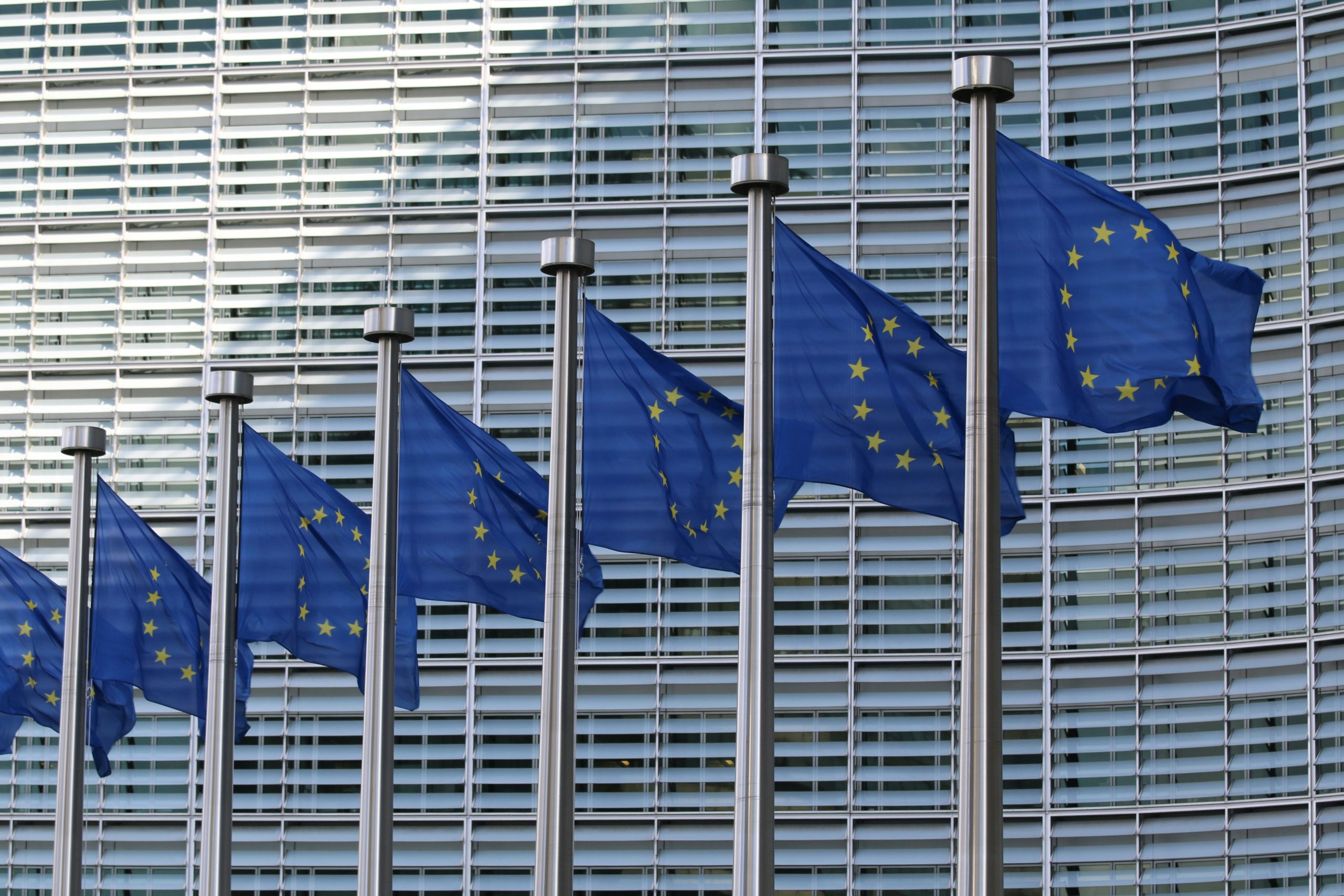
As of 12 June, the new EU Migration and Asylum Pact officially enters into force across the European Union (EU), including Lithuania. This historic agreement fundamentally reshapes the EU’s common migration policy by ensuring greater security for Member States, more effective management of external borders, and a more sustainable solidarity mechanism.
Lithuania, as a state guarding an external EU border, will also actively implement the new rules, which will allow for stricter control of migration flows and border protection while also strengthening regional stability.
Key highlights of the Migration and Asylum Pact:
- Stronger protection and control of external borders: unified and very strict procedures for identity, health, and security checks of arriving persons are being introduced at the EU’s external border. This will allow authorities to identify individuals more quickly and prevent unlawful entry into EU territory.
- Faster and more efficient legal procedures: the timeframes for examining asylum applications are being optimized. Individuals who are not entitled to asylum will be identified more quickly, and their return procedures will be carried out more efficiently, thereby reducing the burden on the national reception system.
- Mandatory but flexible solidarity: the pact establishes a new solidarity mechanism to ensure that countries experiencing migration pressure are not left alone. Member States may choose how to contribute to burden-sharing — either by accepting a share of migrants or by providing a financial contribution and other material assistance.
- Monitoring of human rights and the highest standards: alongside stricter control, the pact guarantees the highest humanitarian standards and the protection of fundamental human rights. In Lithuania, independent monitoring and appropriate conditions for the most vulnerable groups are ensured.
Lithuanian institutions have already carried out the necessary preparatory work within their respective competences and aligned national legislation to ensure a smooth transition to the new system.
The new pact is a crucial step toward a united, secure, and crisis-ready Europe in which migration challenges are addressed in a spirit of solidarity and responsibility.
The Migration and Asylum Pact provides for a major reform of the EU’s common system.
The Government of the Republic of Lithuania approved the legislative package required to implement the pact’s requirements.
Lithuania’s main commitments:
1. Solidarity mechanism (relocation or contributions)
The pact introduces a mandatory but flexible solidarity mechanism intended to help the EU countries facing the greatest migration pressure. Lithuania has chosen two solutions:
- Relocation of migrants: under the established quota, Lithuania commits to accepting 58 migrants.
- Financial contribution: if the state does not wish to accept migrants (or for an additional share), it must pay a financial contribution into the solidarity reserve. Lithuania has committed to paying EUR 1.14 million by the end of the first quarter of 2027.
2. Stricter and faster border procedure
Lithuania will be required to reform the examination process for asylum applications at the EU’s external border:
- Extension of deadlines: in Lithuania, the deadline for carrying out checks related to threats to state security will be extended from the currently established 28 calendar days to 42 calendar days.
- Accelerated assessment: a special 12-week procedure will apply at the border to persons who deliberately mislead authorities, destroy documents, or pose a threat to national security. The aim is to make a decision on refusal of entry or return as quickly as possible, directly at the border.
3. Mandatory screening and biometrics (“Eurodac”)
Control of arriving irregular migrants becomes significantly stricter:
- Health and security screening: persons arriving at the external border must be screened within 7 days (identity established and health and security checks carried out), while persons detained within the territory of the country must be screened within 3 days.
- Database update: all biometric data (fingerprints, facial images) will be registered in the updated Eurodac system, which will also record whether a person poses a threat to state security.
4. Fundamental rights monitoring mechanism
Lithuania commits to establishing and maintaining an independent mechanism for monitoring fundamental rights. The aim of such a mechanism is to ensure that migrants’ human rights are respected during border procedures and that state actions remain transparent.
5. Infrastructure development and integration
Lithuania will have to modernize reception centres and ensure appropriate living conditions for arrivals, with particular attention paid to vulnerable groups (for example, unaccompanied minors). It is also committed to expanding early integration measures: Lithuanian language courses, vocational training, sociocultural programmes, and mental health support programmes.
Last updated: 14-07-2026
Related news:
Updated List of External Service Providers: Cambodia Added
Discussion on Migration Issues Relevant to Belarusian Citizens Living in Lithuania
The Ambassador of the Kingdom of the Netherlands Visited the Migration Department
I. Gasperė appointed as Director of the Migration Department